


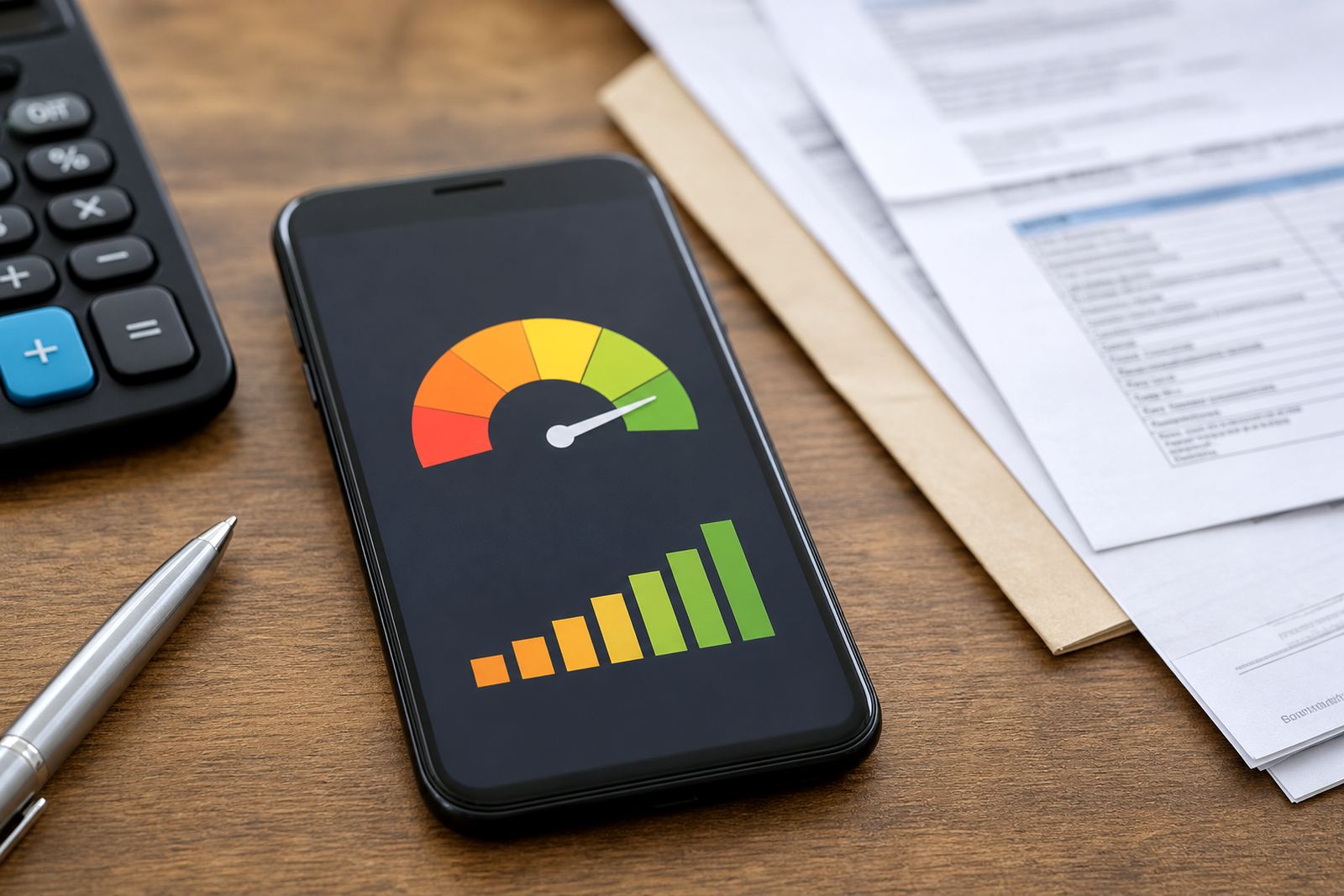






























Pick the view that matches your question
A credit score is a number that gives a quick view of how a lender may read your credit behaviour. A credit report goes deeper, showing accounts, repayments, enquiries, defaults and other records that can influence that score. OpenCredit keeps the options practical so you can look for the detail you need, whether you are checking for a missed payment, reviewing active accounts, or trying to understand a debt review marker.
If you are comparing options, start with the level of detail you need rather than the number alone. A score check suits a fast overview. A report view helps when you want to read the record line by line and spot entries that need attention.
What a credit score can and cannot tell you
A score is only part of the picture. It can change when your payment history shifts, when accounts are opened or closed, or when credit enquiries are added. It does not tell the full story of your income, your household costs or the pressure on your budget, so it should be read together with the report.
- Use the score for a quick health check.
- Use the report to see the records behind it.
- Watch for late payments, defaults and judgement entries where they appear.
- Read account balances and limits, not only the headline number.
Reading the report lines that matter
A credit report usually lists your credit accounts, repayment behaviour, enquiries and records that reflect how credit has been managed. Different lenders may report different details, so one report can show more than another. That is why a proper read helps, especially if a record looks unfamiliar or a payment was logged in a way you did not expect.
For people in Johannesburg, Pretoria, Durban, Cape Town and Gqeberha, the same credit rules apply nationally. Local branches and living costs may differ, but the report format and the legal framework stay the same across South Africa.
The National Credit Act in plain language
The National Credit Act sets the framework for consumer credit in South Africa. It covers how credit is granted, how affordability is considered, and how debt review works when a consumer is over-indebted. It also gives consumers certain rights around fair treatment and access to information.
- It helps set rules for responsible lending.
- It gives structure to debt review processes.
- It supports access to your credit information.
- It is part of the legal context for credit reports and account records.
This page gives general guidance only. For legal or debt review matters, confirm details with a registered debt counsellor or the National Credit Regulator.
Debt review markers and what they mean
Debt review is a formal process for consumers who are over-indebted. A debt counsellor looks at your income, living costs and debts, then helps assess whether a restructured payment plan may be appropriate. During the process, your credit record may show a debt review related status, so it helps to know how that marker appears and what it can mean for future credit decisions.
OpenCredit provides guidance on the basics only, not personalised advice. If you are unsure whether your record shows a debt review status or a related court order, speak to a registered debt counsellor or check with the National Credit Regulator.
Budget checks that make the numbers easier to read
A credit score makes more sense when it sits beside a real budget. If monthly repayments take a large share of your income, a clean score can still hide pressure in the household budget. Looking at rent, transport, school fees, groceries and other fixed costs helps you understand whether credit use is still manageable.
- List income and every recurring expense.
- Include card repayments, loans and store accounts.
- Leave room for irregular costs like repairs or school items.
- Check whether any payment dates clash with salary dates.
That wider view is useful for anyone trying to read their profile with more confidence, especially where several accounts are active at once.
How to use the credit check pages on this hub
Each page in this hub focuses on a different view, from score basics to report detail and debt review guidance. Use the listing cards to move between topics and read the explanations at your own pace. If a term is unclear, the related page should give the fuller meaning in ordinary language, not jargon.
OpenCredit works with people across Rosebank, Sandton, Midrand and beyond, helping them understand what the records show and what the terms mean. The goal is better reading of the information, not guesswork.