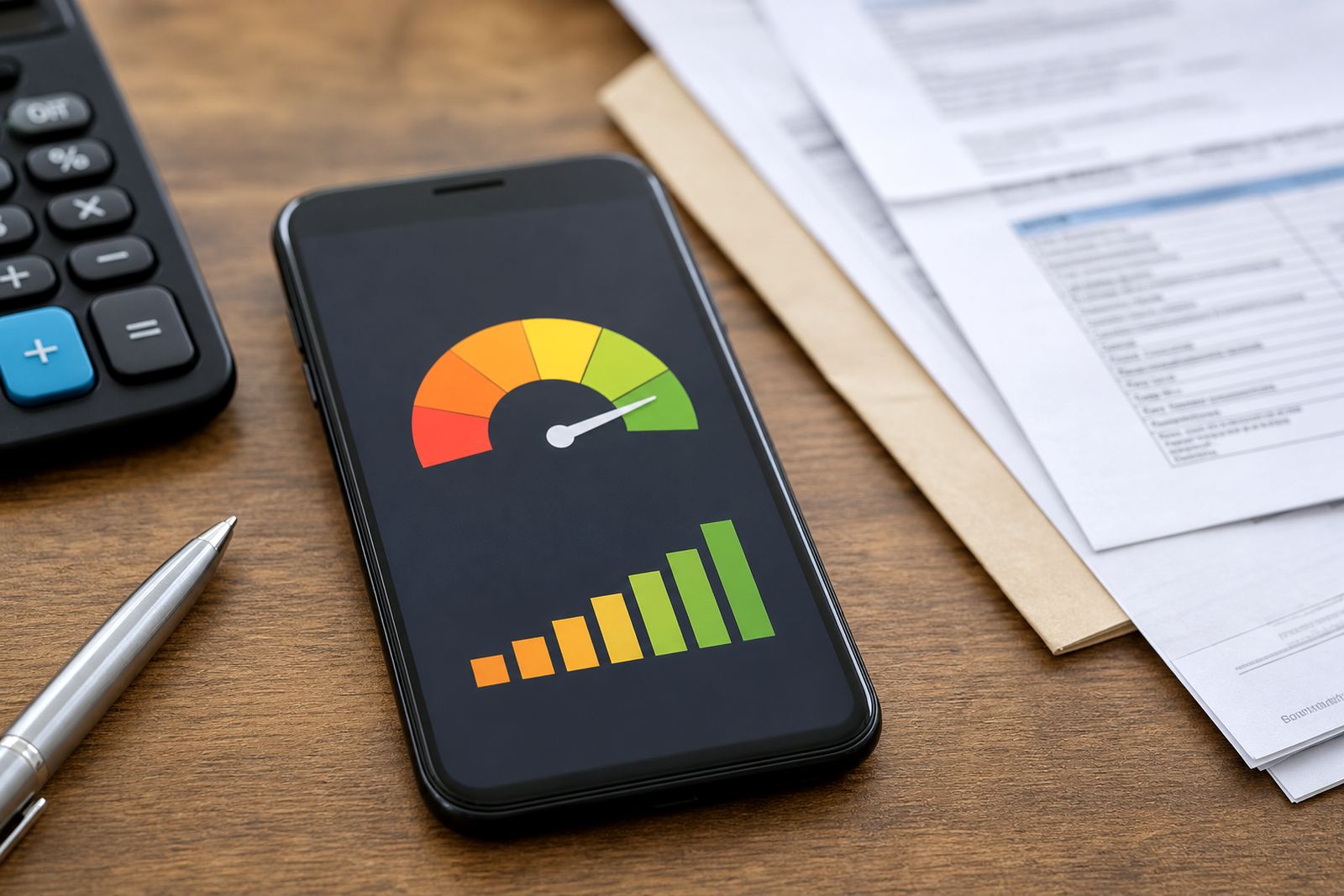
How repayment entries sit inside a credit report
A repayment profile is the payment-history part of a credit report. It records whether instalments were paid on the due date, paid late, skipped, settled after arrears, or written as a default on an account. Lenders look at that pattern alongside the rest of the report, so a clean month helps, while repeated missed payments can point to strain on the account. The exact layout can vary by provider, but the basic record is usually read the same way across South Africa.
For people in Rosebank, Johannesburg, Pretoria, Durban, Cape Town and Gqeberha, this kind of check can help make sense of why an application was treated in a certain way. It also helps with budgeting, because the payment pattern often shows where money is slipping through the month and where debit orders may be too tight.
- On-time payments usually show stable handling of credit.
- Late entries may reflect cash flow pressure or timing issues.
- Missed instalments can affect a credit profile more sharply than a single late payment.
- Settled accounts may still show the history before they were closed.
What OpenCredit gives you in a repayment profile check
The repayment profile product is set up for people who want a clear read of payment history, not just a raw score. OpenCredit presents the entries in a way that is easier to follow, then explains the terms that usually appear on South African reports, such as arrears, instalment accounts, closed accounts and adverse markers. The information is educational and general, so it is not legal or financial advice.
The service suits a quick personal review, a household budgeting conversation, or a more detailed look before speaking to a registered debt counsellor. If debt review is already on your mind, the profile can help you see the payment trail that often leads people to that point. You should always confirm any legal or debt review question with a registered debt counsellor or the National Credit Regulator.
- Repayment history explained in plain English.
- Credit score context, without turning the score into a mystery number.
- General notes on how missed payments may appear on a report.
- Guidance for reading entries before speaking to a registered debt counsellor.
Sizes and options that suit different credit checks
OpenCredit offers a few practical ways to work through a repayment profile. Some people only want a single report read, while others need a fuller view across multiple accounts. The right option depends on how much detail you want to review and whether you are looking at one loan, several retail accounts, a vehicle account or a mixed credit file.
Because reports can contain different amounts of information, the product is best chosen by depth, not by guesswork. A shorter check is enough for a quick read of payment history. A fuller review suits someone trying to map the pattern of missed instalments, account closures and older settled debts across a longer period.
- Single-account review for one credit line.
- Multiple-account review for a wider payment picture.
- Credit score plus repayment history summary.
- Debt review context for people comparing their report to the rules under the National Credit Act.
Where the repayment profile service fits best
This product fits people who want to understand how their payment behaviour looks on paper before applying for more credit, entering debt review, or checking whether their records match their own memory. It also helps when a person has moved between jobs, had a change in income, or managed several debit orders at once. In South Africa, that mix is common, and a repayment profile can show the slow build-up of pressure that a monthly budget may not reveal at first glance.
The service is useful in Johannesburg offices, Pretoria suburbs, Durban coastal households, Cape Town commuter routes and Gqeberha family budgets, where one missed payment can be followed by another if the month is already stretched. A careful read of the profile can show which accounts stayed steady and which ones started slipping.
- Before applying for new credit.
- When a budget needs a clearer view of payment pressure.
- When comparing a credit score with the history behind it.
- When debt review or account restructuring is being considered.
Online access, document setup and practical fitting
The service works through online access, so the main task is setting up the right information for the review. You may need an ID number, contact details, proof of address and account references where available. If a report shows several accounts, it helps to have the latest statements or recent payment records nearby, since those details make the discussion around the entries much clearer.
There is no physical fitting in the normal sense, but there is a practical setup step. The system needs accurate details, and the person reviewing the file should be ready to compare what is on the report with what was actually paid. That is the part that helps separate a one-off delay from a longer pattern. The team works from Rosebank, Johannesburg and serves nearby business districts and home users across the listed areas.
- Keep your ID details and account references ready.
- Have recent statements close at hand for comparison.
- Use a phone or computer with a stable browser session.
- Check that names, addresses and account numbers match the report entries.
Caring for the records after a profile check
A repayment profile is only useful if the records stay readable and current. That means keeping statements, settlement letters and payment proofs in one place, whether electronic or printed. If there is an entry that looks wrong, the next step is usually to query the record with the relevant provider or studio channel, then keep copies of any supporting documents. OpenCredit can help explain the wording, but correction of a record follows the normal credit-report process.
Budgeting also matters here, because a good repayment pattern is usually built month by month. That can mean setting debit orders to line up with pay dates, trimming unnecessary instalments and watching for accounts that start to drift. For debt review matters, the legal process should always be confirmed with a registered debt counsellor or the National Credit Regulator.
- Store settlement letters and account closures safely.
- Keep proof of payments for disputed entries.
- Review statements regularly so missed debit orders do not go unnoticed.
- Check the report wording against the actual account history.
Details to confirm before you send the request
Before sending the enquiry form, it helps to confirm the basic details needed for a proper repayment profile read. The exact accounts, the period you want reviewed, and whether you need a general explanation or a broader debt review discussion all affect the result. If the profile is being checked for budgeting, it also helps to note which accounts are causing the most pressure, because that changes the context of the review.
OpenCredit can explain the repayment history, but it does not replace a registered debt counsellor or the National Credit Regulator where formal debt review questions are involved. That distinction matters, especially under the National Credit Act where process and consumer rights are important. A clear request from the start makes the reading easier to follow and more useful in practice.
- Which accounts you want included in the profile.
- Whether the focus is score context, payment history or debt review basics.
- The address and contact details that should match the file.
- Any recent account changes, settlements or missed instalments worth noting.
Key facts
| Product type | Repayment profile explanation service |
|---|---|
| Core focus | Payment history, account status and credit report entries |
| Use case | Personal credit review and debt review context |
| Format | Online review with guided explanation |
| Coverage | Johannesburg, Pretoria, Durban, Cape Town and Gqeberha |
| Compliance note | General information only, confirm debt review matters with a registered debt counsellor or the National Credit Regulator |