
















Different credit situations, one place to compare them
This hub pulls together common credit moments that people recognise in Johannesburg, Pretoria, Durban, Cape Town and Gqeberha. Some stories start with a missing payment, others with a confusing report, and some with a household budget that no longer stretches to month end.
The point is not to copy one story into another life. It is to show the range of issues that can sit behind a low score, a debt review question, or a need to read the National Credit Act in plain language. The cards below are added separately, so this page helps you decide which path needs a closer look.
- Credit score changes after missed instalments or late payments
- Credit reports showing accounts, defaults, judgements, or outdated entries
- Debt review questions for people under pressure from repayments
- Budget gaps where essentials take priority over credit commitments
When a score looks lower than expected
A credit score is a number drawn from information in a credit report. It usually reflects payment history, account use, total debt, recent applications, and how long accounts have been open. A lower score does not always mean one problem only. Sometimes the report shows several smaller issues that have built up over time.
One story might involve a consumer who paid on time for years, then missed a few instalments after a job change. Another might show someone with too many applications in a short period, which can make borrowing look strained. Reading the report line by line helps separate the score from the reasons behind it.
- Late payments can affect the score for a period of time
- High balances may put pressure on affordability
- Too many credit checks can raise questions for lenders
Credit reports that need a careful reading
Credit reports can include account status, payment history, personal details, enquiries, defaults, and other markers used by lenders. In practice, many people spot an item they do not recognise or a detail that looks old, incomplete, or out of step with their records.
That is where a careful reading matters. A story in this section may cover a consumer whose report lists an account that was closed, or a payment history that does not match receipts. It may also show how a small clerical issue can affect a bigger financial decision, especially when a home loan, vehicle finance, or other credit application is under consideration.
- Check whether account statuses match your own records
- Look for old listings that may no longer be relevant
- Keep statements and proof of payment in one file
Debt review stories that start with pressure at month end
Debt review is a process set out in the National Credit Act for consumers who may be over-indebted. A registered debt counsellor assesses the situation and looks at whether a reworked repayment plan may be appropriate. The process is not a shortcut and it is not the right fit for every case.
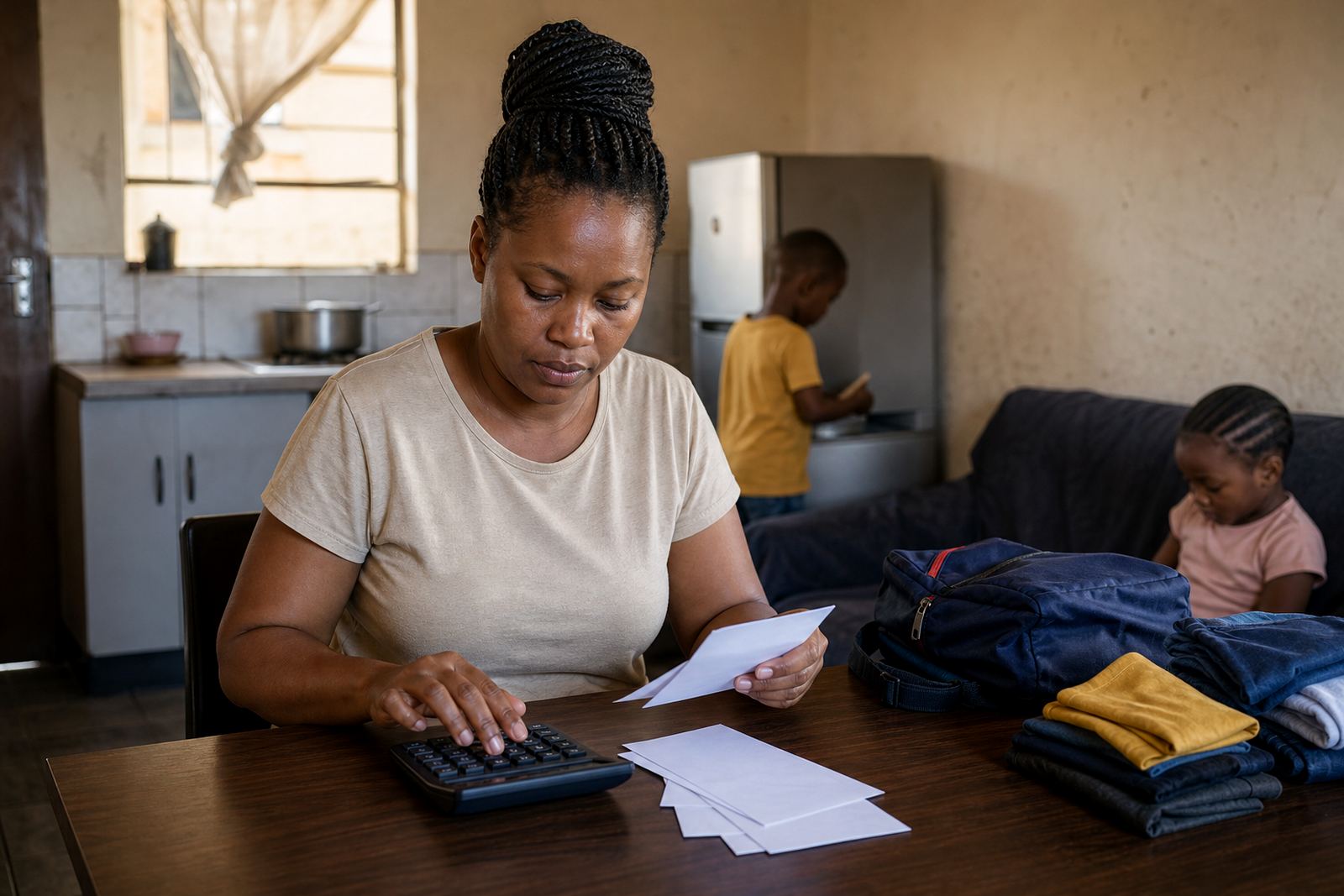
Some stories in this section focus on household budgets where rent, food, transport, school costs, and debt instalments are all competing at once. Others show a consumer trying to understand court order steps, the role of a counsellor, or how a clearance certificate fits into the process. These examples stay general, because every case needs formal guidance based on its own facts.
- Debt review is linked to affordability and legal process
- A budget is usually reviewed before any proposal is made
- Confirmation from a registered debt counsellor matters
Budgeting stories that expose the pressure points
Budgeting is often where the full picture appears. A story may show that the problem is not one large debt, but a stack of small commitments that arrive before payday. In coastal areas such as Durban or Gqeberha, higher transport costs or family support can also change the numbers month by month.
Budget stories usually look at income, fixed costs, variable spending, and the order in which bills are paid. They help people see whether the issue is temporary pressure or a longer affordability gap. That makes it easier to speak to the right professional with facts, not guesswork.
- Separate fixed costs from flexible spending
- List every debt payment in Rand terms
- Keep track of fuel, groceries, school fees, and medical costs
How to use these stories before taking the next step
Start with the story that sounds closest to your own situation, then compare it with your credit report, budget notes, and any letters or statements you have kept. If the issue is mostly about understanding a score, a report, or the meaning of a term in the National Credit Act, that section may be enough to orient you.
If the situation points toward debt review, court order questions, or possible over-indebtedness, confirm the details with a registered debt counsellor or the National Credit Regulator. OpenCredit serves people online from Rosebank, Johannesburg and supports readers across Sandton, Midrand, Pretoria, Durban, Cape Town and Gqeberha.