The Soweto brief and the pressure points
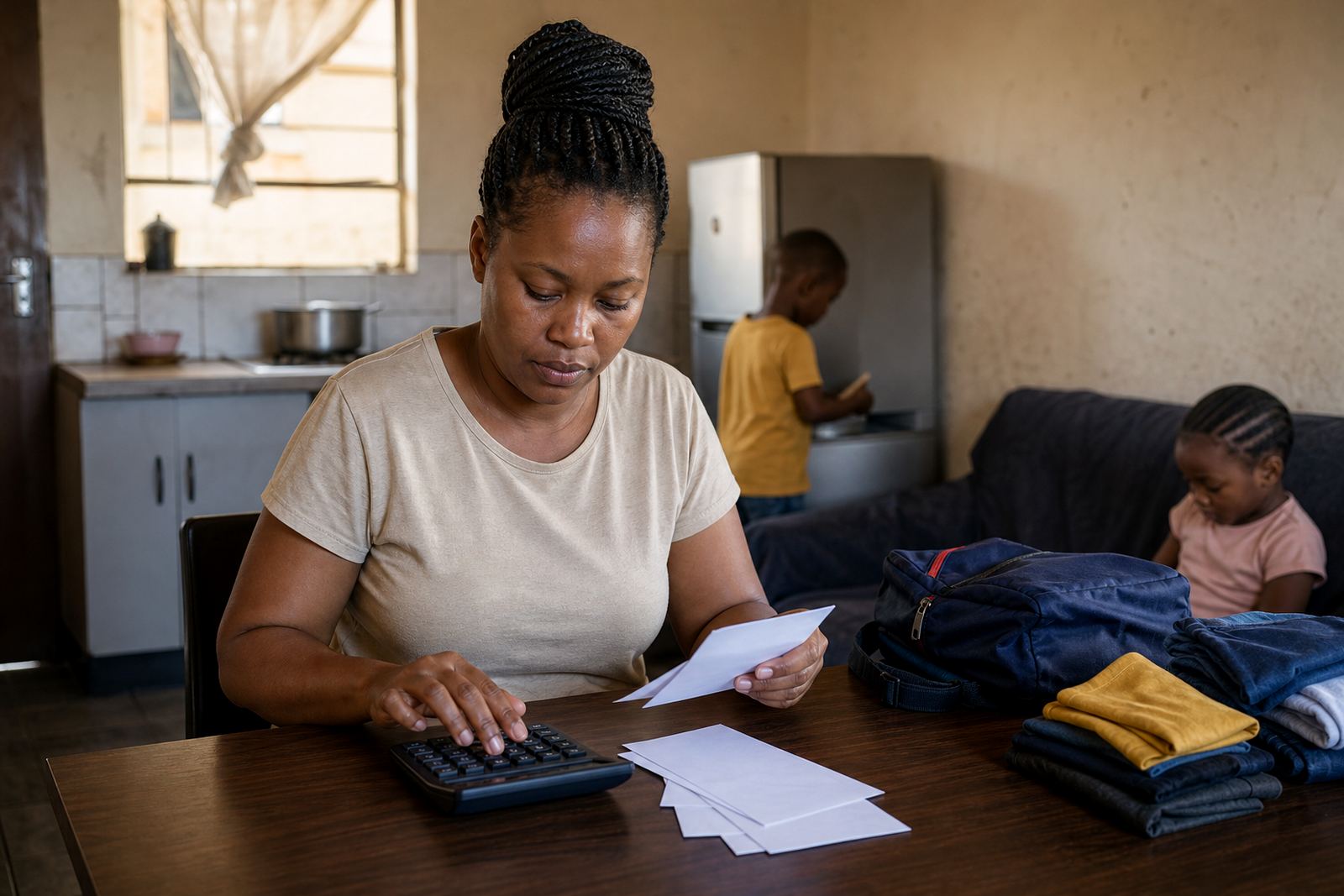
The brief came from a single parent balancing school costs, groceries, transport and irregular income in Soweto. The main need was not a sales pitch, but plain information that could explain why account balances, missed instalments and a lower credit score can all sit in the same household picture.
The request also had a practical edge. The parent wanted to understand the difference between a credit report, a credit score and debt review, while keeping the focus on budgeting and account status rather than guessing at legal outcomes. We kept the material general and factual, and pointed to the National Credit Act and the National Credit Regulator for formal guidance.
- Client type: single parent household in Soweto
- Need: clearer budgeting context and account reading
- Subject areas: credit scores, credit reports, debt review, consumer rights
- Reference point: South African credit and debt rules
What had to be kept in view
The project needed careful handling because credit matters can move from everyday budgeting into regulated territory very quickly. We could explain the basics, but not give personal legal or financial advice. Any formal debt review step has to be checked with a registered debt counsellor, and any dispute about a credit record must be handled through the right channels.
There was also a content constraint around tone. The material had to feel steady and useful, without heavy jargon or dramatic promises. That meant using normal South African wording around instalments, arrears, affordability and household budgets, while keeping the explanation neutral enough for a person in Johannesburg or elsewhere to use as a starting point.
- No personal advice on amounts or repayment decisions
- No assumptions about income, legal status or court outcomes
- No claims of studio partnerships or special access
- No fees, guarantees or statistics invented for the page
What OpenCredit supplied
We put together a clear package of budgeting and credit literacy notes that could help the parent read their position without feeling lost in industry language. The content explained how a credit report records accounts, payment behaviour and listed obligations, while a credit score gives a general snapshot of risk based on the available data. It also set out the broad role of debt review under the National Credit Act, so the reader could see where counselling, affordability checks and repayment planning fit.
The guidance was written for online use and for a South African audience in Johannesburg, Pretoria, Durban, Cape Town and Gqeberha. It stayed practical: how to look at monthly commitments, why arrears matter, and why budgeting for essentials has to happen before making any formal credit decisions. Where the law or process could change depending on the case, we said so plainly.
- Credit score explanation in everyday language
- Credit report reading notes
- Debt review basics and counsellor role
- Budgeting guide for fixed costs and variable costs
- Consumer rights overview under the National Credit Act
The working process over three weeks
The project ran over three weeks. In the first week, we mapped the main questions into plain categories: what the score means, what a report contains, and what debt review is not. In the second week, we shaped the budgeting section so it could speak to a single parent managing household pressure, school-related expenses and transport without drifting into personal advice. In the third week, we tightened the wording and added a small set of prompts for checking information with the right regulator or a registered counsellor.
Because the subject touches credit law and debt management, the language had to be careful and consistent. We avoided any wording that might sound like a promise of relief or a guaranteed outcome. The final structure gave the reader a calm path through the information, with enough detail to understand the next conversation they might have with a formal adviser.
- Week 1: topic mapping and plain-language structure
- Week 2: budgeting and household pressure framing
- Week 3: review, compliance checks and wording control
- Format: online reading with short section blocks
What changed for the reader
The main result was better clarity. The single parent could separate daily spending pressure from the formal picture shown in a credit report, which made the account status easier to read. That distinction matters when money is tight, because a household can feel under pressure long before it fully understands which accounts are in arrears and which are simply demanding more attention than the budget can carry.
The project also made debt review easier to place in the wider system. Instead of treating it as a vague fix, the reader could see it as a regulated process with set steps, documents and checks. The budgeting notes helped frame practical priorities too, especially where income had to cover essentials first and debt commitments second.
- Clearer understanding of spending pressure
- Better reading of account status against household income
- Stronger sense of where debt review fits
- More practical view of monthly budgeting limits
Key facts from the project
This project was built around a single household case in Soweto, but the language was shaped for wider South African use. It covered the main credit topics that often confuse people when money becomes tight, and it kept the line between general education and formal advice very clear. The work also had to hold up for readers in larger cities where living costs and transport pressure can feel different from one suburb to the next.
- Location focus: Soweto, Johannesburg
- Audience spread: Johannesburg, Pretoria, Durban, Cape Town, Gqeberha
- Core topics: credit score, credit report, debt review, budgeting, consumer rights
- Compliance note: refer formal debt matters to a registered debt counsellor or the National Credit Regulator
- Business base: Rosebank, Johannesburg
- Project type: budgeting and credit literacy support
What we would keep for a similar brief
On a similar brief, we would keep the same structure: start with household pressure, separate it from the formal credit record, and then move into the regulated side of debt review only where needed. That order makes the reading easier for someone who is already carrying day-to-day strain. It also keeps the content honest, because the reader can see where general guidance ends and formal case handling begins.
We would also keep the budgeting section grounded in ordinary South African reality. That means talking about rent, food, school needs, transport and account payments in plain terms, while leaving the legal and procedural checks to the proper authorities. For a single parent in Soweto, that kind of clarity can make a difficult month feel less confusing.
Key facts
| Client type | Single parent household in Soweto |
|---|---|
| Town | Soweto, Johannesburg |
| Timeline | 3 weeks |
| Scope | Budgeting guidance, credit score basics, debt review education |
| Compliance | General information only, no personal legal or financial advice |
| Service area | Johannesburg, Pretoria, Durban, Cape Town and Gqeberha |