What a score snapshot can show at a glance
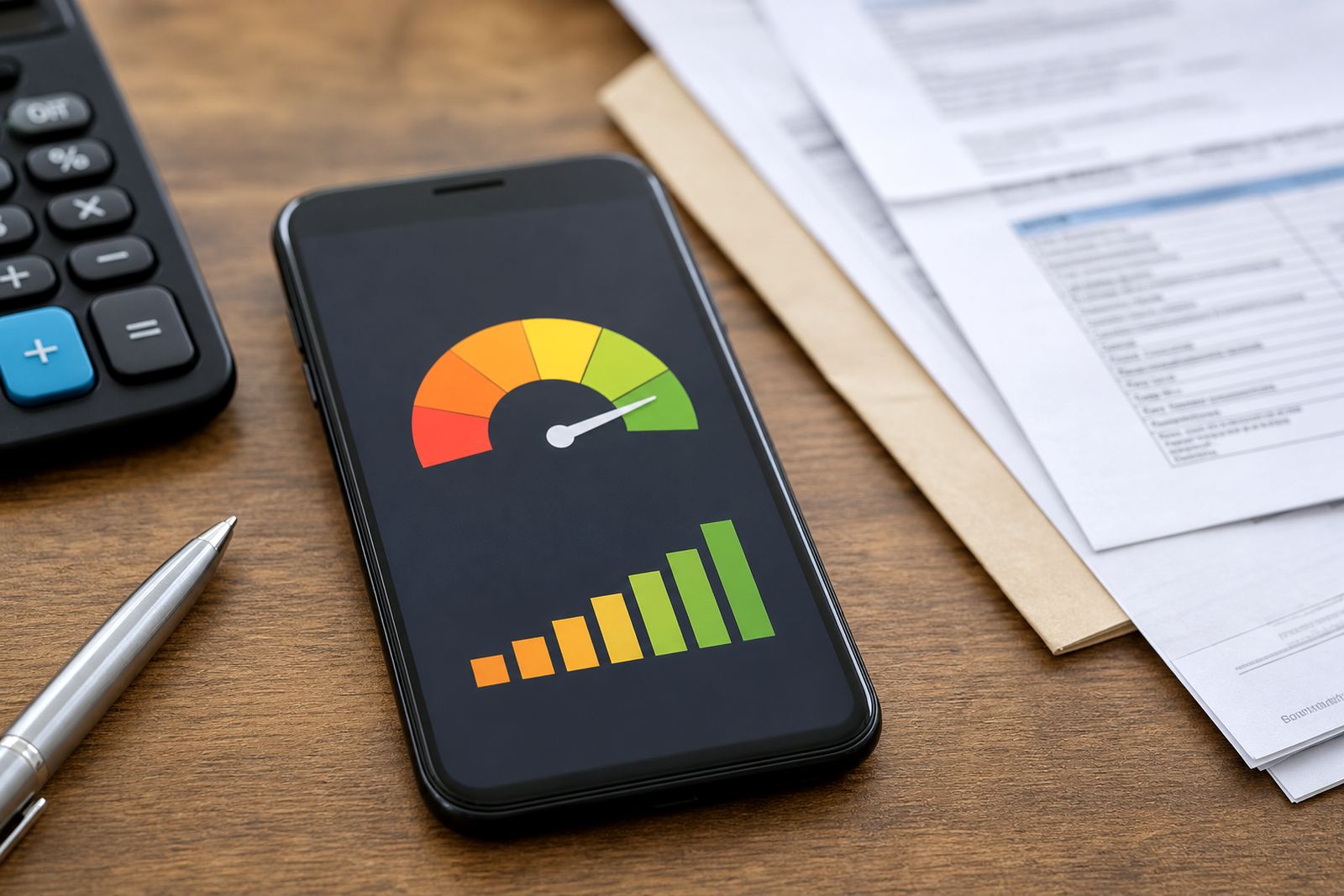
A Score Snapshot pulls together the main signals that sit on a credit report at one point in time. The score itself is only one part of the picture. The report may also show account status, payment behaviour, instalment history, enquiries, judgements, and debt review markers where they appear.
In plain terms, a score is a number used by lenders to gauge risk, while a credit report is the fuller record behind it. A cleaner file with fewer missed payments often reads better than one with late accounts or unpaid arrears, but each lender sets its own checks. That means the same score can be viewed differently by two providers.
- Useful for a first read of your credit position
- Helps you see if old entries are still reflecting
- Can highlight debt review notations or account listings
- Shows a snapshot, not a promise of approval
How the snapshot fits the credit report picture
Many people hear the score first, then only later see the report behind it. The snapshot joins those pieces so the numbers and the record can be checked together. That matters because a score can move when a payment is missed, a balance changes, or an account is settled and updated on the file.
Credit reports in South Africa are shaped by data supplied by lenders and other credit providers. If an entry looks wrong, the report itself is the place to compare the account number, the date, and the status line. A snapshot is not a substitute for a full dispute process, but it can show where a closer look is needed, and sometimes the issue is simply an old record still sitting there.
- Score tells the broad risk level
- Report shows the supporting account history
- Entries may change after updates from providers
- Old records can still influence the view
Where the National Credit Act comes into the reading
The National Credit Act guides much of the credit environment in South Africa. It sets rules for credit agreements, affordability checks, consumer rights and debt review. A Score Snapshot does not replace legal guidance, but it can help you understand where your credit standing sits in relation to those rules.
If debt review is part of the picture, the snapshot may show a marker that tells lenders the file is under that process. Debt review is a formal route handled by a registered debt counsellor, not a casual arrangement. Anyone unsure about their status should confirm the details with a registered debt counsellor or the National Credit Regulator before making decisions based on the snapshot alone.
- Shows whether a debt review marker appears
- Supports a general read of credit health
- Does not replace legal advice or formal counselling
- Best used with verified report information
When a score snapshot suits everyday money checks
This product suits people who want a point-in-time view before applying for credit, reviewing old accounts, or setting a budget. It also helps if you are tracing why a score changed after a missed instalment, a paid account, or a new enquiry. For people in Johannesburg, Pretoria, Durban, Cape Town and Gqeberha, the process is the same online, which keeps it practical for busy schedules.
The snapshot is also useful during debt review education, where the aim is to understand the file before any formal step is taken. It works well for consumers who want to see the broad shape of their credit picture without guesswork. A careful read now can save a lot of confusion later, especially when a report has several active accounts and a few older entries still hanging around.
- Checking a file before a credit application
- Reviewing a score after a payment change
- Budget planning and debt review education
- Comparing current status with older report lines
What sits behind the online process
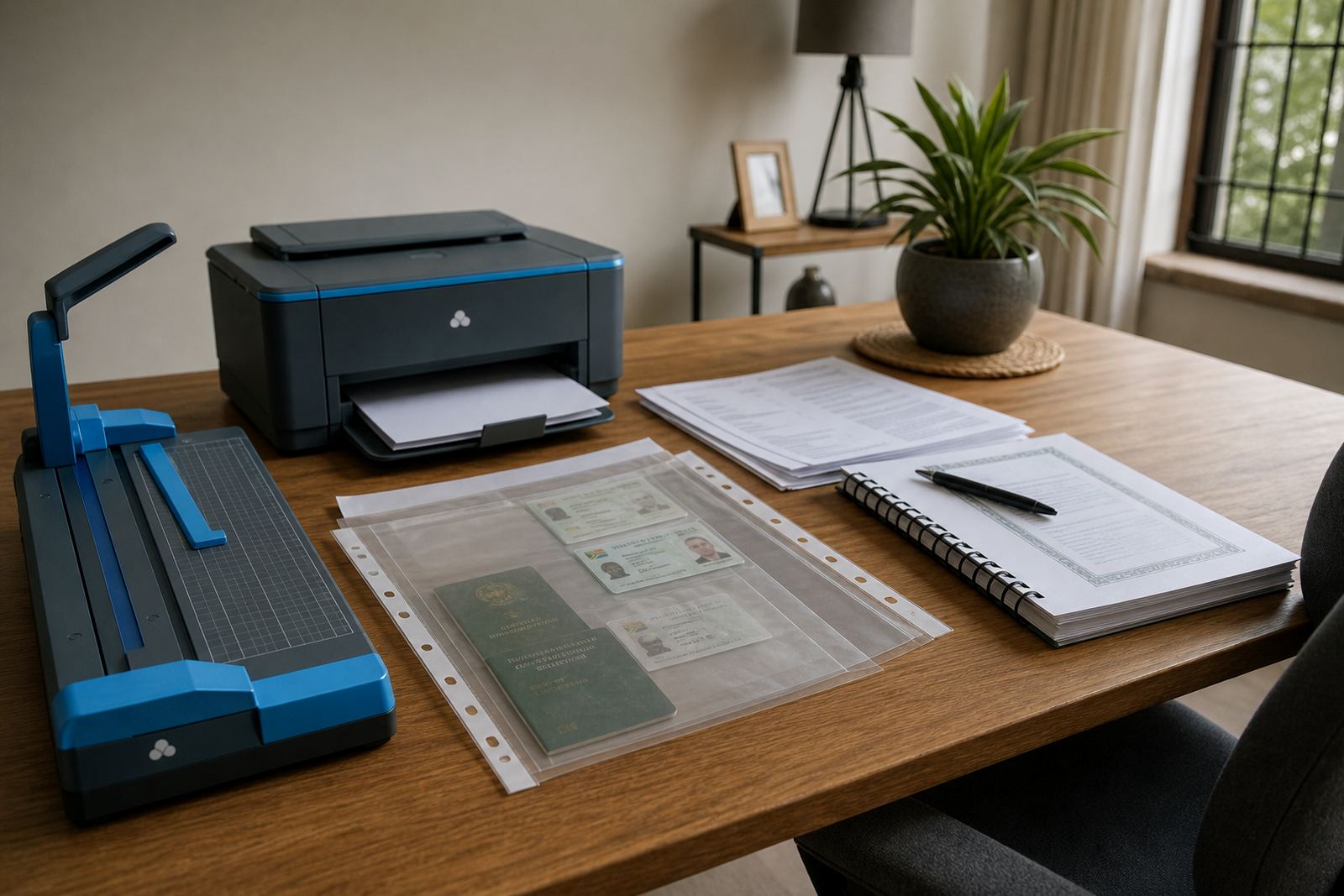
OpenCredit handles the check online, with the contact and guidance process starting through the enquiry form on the contact page. The snapshot is digital, so there is no fitting or site visit. What matters is accurate personal information, because the record has to match the right consumer before anything can be read properly.
Typical details may include identity information, contact details and the information needed to access the credit file safely. If a report shows a debt review marker, the next step is not to guess. Confirm the position with a registered debt counsellor or the National Credit Regulator, because the meaning of that marker depends on the full file and current status. A rushed read can lead to the wrong conclusion, and that is worth avoiding.
- Online access for South African consumers
- Identity matching keeps the file accurate
- No physical fitting or on-site setup
- Debt review status must be verified properly
Keeping the snapshot useful over time
A score snapshot is most useful when it is read carefully and kept in context. If you check it again later, compare the score, account status lines and any new enquiries against the older view. That makes it easier to see whether a missed payment, a paid account, or a new credit search has changed the picture.
For budgeting, the snapshot can act as a reference point rather than a verdict. It helps you see whether debt is tightening the household plan or whether the file is settling after a period of strain. Keep a note of the date, the score shown, and any debt review reference that appears. If something looks uncertain, confirm it with a registered debt counsellor or the National Credit Regulator before acting on it.
- Compare dates, not just the score number
- Watch for new accounts or enquiries
- Keep debt review references together with notes
- Use the snapshot as a budgeting reference
Key facts
| Product | Score Snapshot |
|---|---|
| Format | Online credit snapshot |
| Coverage | Score, report entries and debt review markers where shown |
| Best for | Point-in-time checking and credit education |
| Access areas | Rosebank, Johannesburg, Pretoria, Durban, Cape Town, Gqeberha, Sandton, Midrand |
| Confirmation | Verify debt review status with a registered debt counsellor or the National Credit Regulator |