

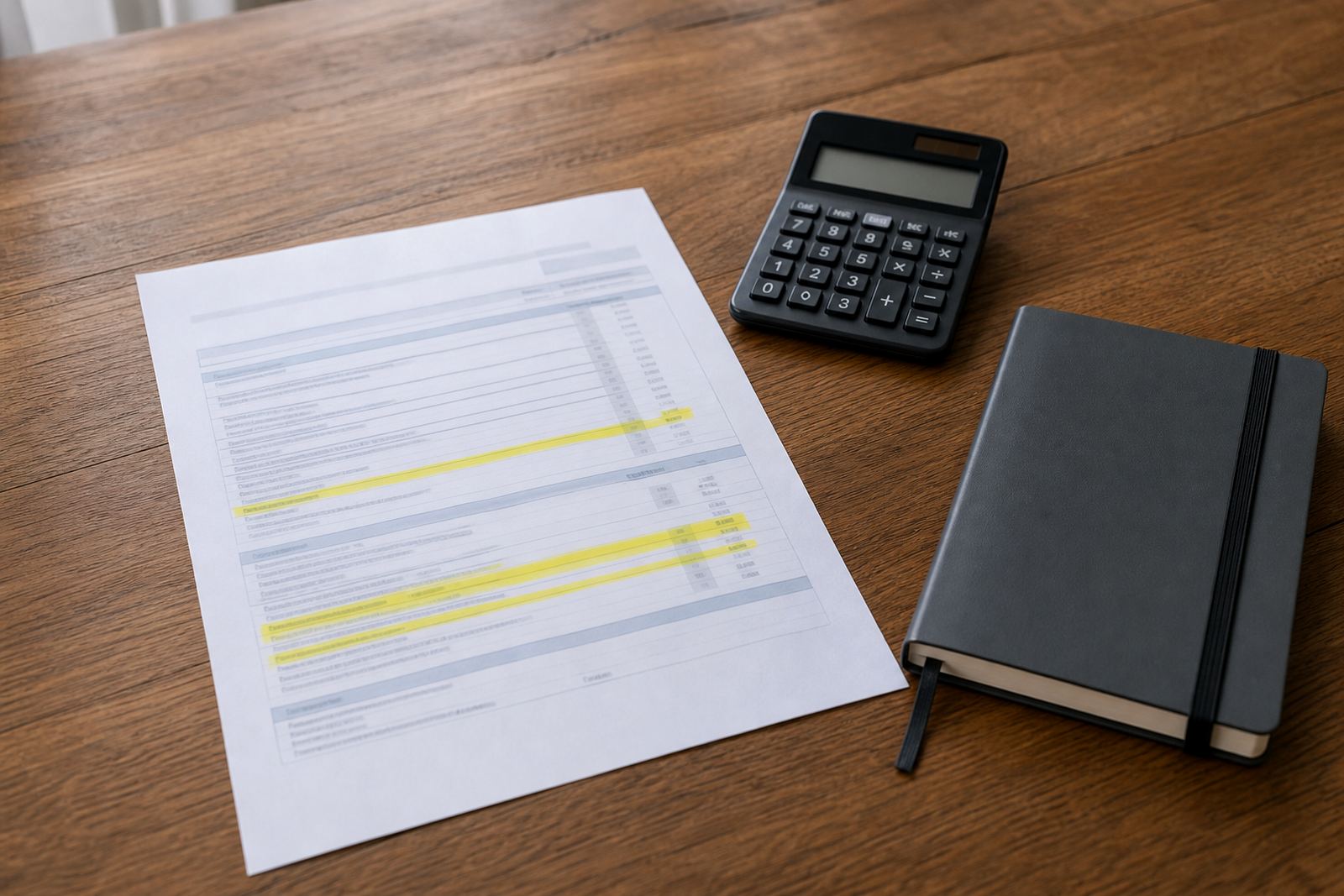
What a default entry can mean on a credit report
In credit reporting, a default entry is usually a marker that a credit agreement has fallen into serious arrears or has moved into a formal collection stage. It may appear alongside account numbers, dates, balances, status notes and the name of the credit provider, with the exact wording depending on the studio record and the way the account was reported.
Default Record View is the lens we use to help a person read that line in context. It does not replace the original credit agreement, and it does not change the record on its own. It is there to help a consumer understand what the entry may refer to under normal reporting practice and where the National Credit Act may come into the picture.
- Shows the default note as part of a wider credit profile
- Helps separate one account issue from the full report
- Supports a clearer look at dates, balances and status notes
Record formats, depth and viewing options
The Default Record View is usually arranged in a clean, line-by-line format that suits mobile screens and benchtop viewing alike. Some people want a short summary, while others need a fuller record with more account fields visible. We keep the structure practical, so the details are easy to scan without losing the important wording.
Available options often depend on how much of the record must be shown. A shorter view can suit a first check, while a fuller view is useful when a consumer wants to compare multiple accounts, note repeated arrears, or review how a default entry sits beside debt review status information. If the report includes several accounts, the layout can be grouped by creditor, date or status.
- Short summary view for a quick read
- Full record view for account-by-account checking
- Grouped view for multiple entries on one profile
- Mobile-friendly display for use on the move
Where this view suits best
This product suits people who want to make sense of a default note before deciding what to do next. It is often used in Johannesburg and the surrounding areas, and it also suits people in Pretoria, Durban, Cape Town and Gqeberha who need a clear reading of a credit report without guesswork. It can be useful when someone is comparing an old arrears entry with more recent account activity, or when a debt review note and a default entry appear close together.
It is also practical for budgeting work. A default entry can sit next to missed instalments, over-indebted signs and collection notes, so a clearer view helps a person understand the order of events. That matters when people are trying to follow the basics of debt review, consumer rights, and the role of a registered debt counsellor.
What the viewing process usually checks
The view focuses on the data that commonly appears in a South African credit report. That includes the account name, status wording, date captured, balance fields, and any note that may suggest collection action or an account in default. Where debt review is involved, the record may also show a separate indicator that needs careful reading.
For many consumers, the point is not just seeing a negative line, but understanding how it fits into the rest of the file. A default entry can be old, recent, disputed, settled or linked to ongoing arrangements. The meaning depends on the actual record and the rules that govern reporting under the National Credit Act.
- Account status and default wording
- Date fields and reporting sequence
- Balance or arrears figures where shown
- Debt review indicators, if recorded
Care, accuracy and record handling
Credit information needs careful handling because a small error can change the way a profile reads. Names, identity numbers, dates and account references should be checked against the original documents. If a consumer spots a mismatch, the correct route is to raise it with the relevant credit provider or studio process, and where needed confirm the position with a registered debt counsellor or the National Credit Regulator.
We keep the wording measured and factual. There is no promise that a default note means the same thing in every case, because reporting can differ from one account to another. The useful part is the structure: clear labels, plain reading and enough detail for a proper review without dressing up the result.
Details to confirm before you request the view
Before ordering a Default Record View, it helps to have the core account details ready so the record can be matched correctly. That keeps the view tied to the right profile and reduces confusion where names or account numbers are similar. If the person is already in debt review, that should be noted because it changes how the report is read.
- Full name and identity number
- Current contact details and province or town
- Any known account numbers or creditor names
- Whether debt review is in place or has ended
- Whether the focus is one account or the full credit profile
Clients in Rosebank, Sandton, Midrand and other parts of Johannesburg often use the enquiry form on our contact page when they want the record checked and explained in general terms. The same route works for people elsewhere in South Africa who need a plain view of default wording, budgeting references and debt review basics.
Reading the result alongside debt review basics
A default entry does not tell the full story on its own. It is one line in a wider credit record that may also include payment history, collections, judgement notes, or a debt review marker. A consumer can use the view to understand the basics, but legal or financial steps should be confirmed with a registered debt counsellor or the National Credit Regulator.
Our team, led by Thabo Masilela and supported by Lerato Essop, Ayesha Lourens, Sibusiso Fortuin, Megan Zondo, Bongani Dlamini and Zanele Dawood, works with clear credit language and careful compliance. The result is a practical reading of the record, not legal advice and not a guarantee about how any account will be treated. That keeps the focus on informed decisions, grounded in the actual report and the rules that apply.
- Useful for basic reading of a credit report
- Helps separate default wording from debt review notes
- Supports a better prepared discussion with a registered debt counsellor
Key facts
| View type | Credit record explanation format |
|---|---|
| Typical use | Default entries, arrears notes and debt review markers |
| Display options | Summary view, full view, grouped account view |
| Coverage | South African credit report context |
| Main reference points | Status wording, dates, balances, account labels |
| Regions served | Rosebank, Johannesburg, Pretoria, Durban, Cape Town, Gqeberha, Sandton, Midrand |