What a credit enquiry leaves behind on your report
A credit enquiry is a record that shows who asked to view your credit profile and when that check took place. In South Africa, these entries can appear when you apply for credit, open certain accounts, or ask for a facility that carries risk for the provider. The enquiry line itself does not tell the full story, but it does show activity that can be useful when you are checking whether applications were made in your name or whether your file has been viewed more often than expected.
Different enquiries can carry different meanings. Some are made when you apply for credit, while others are linked to account reviews, affordability checks or updates from existing lenders. A report may also show soft checks, hard checks, and in some cases account-related updates that sit near enquiry history. It helps to read those lines together with the rest of the report, because one entry on its own gives only part of the picture.
- Application enquiries are often linked to a formal credit request.
- Account review enquiries may appear on ongoing facilities.
- Identity or verification checks can also leave a trace.
- Multiple enquiries in a short period can suggest heavy shopping for credit.
How enquiry activity fits into a credit report
A credit report is a record built from information supplied by credit providers and other sources allowed under the National Credit Act. It normally includes personal details, accounts, payment history, defaults, judgments, collections and enquiry activity. The enquiry section helps show how often your profile has been accessed and for what general purpose, which is useful when trying to understand whether a report reflects normal use or unusual movement.
People often focus on the score, but the report matters just as much. A score can move up or down for many reasons, yet the enquiry pattern can still give clues about recent credit behaviour. Too many enquiries in a short space of time may suggest a lot of recent applications, which some lenders may read as a sign of pressure. That does not mean every enquiry is harmful, but it is worth reading in context.
- Check the date of each enquiry.
- Look at the name shown against the enquiry.
- Compare enquiries with any accounts you opened or applied for.
- Flag entries you do not recognise and confirm them with the credit studio or provider.
The National Credit Act and what consumers may see
The National Credit Act sets rules around responsible lending, affordability checks and consumer rights in credit transactions. It also supports the use of credit information so lenders can assess risk before granting credit. That means enquiry activity is part of the wider credit system, not just a random line on a report. When a provider checks your profile, it is usually doing so in line with its obligations under credit law and its own lending process.
Consumers have the right to access their credit information and to dispute inaccurate items. If an enquiry looks wrong, or if you believe a profile was accessed without proper reason, it is sensible to raise the matter with the studio and the provider involved. For debt review questions, the legal position can be more specific and should be confirmed with a registered debt counsellor or the National Credit Regulator. OpenCredit gives general guidance only, not legal advice.
In practice, the law matters because it helps shape what credit providers may ask, what they may record, and how a consumer can query the record if something does not look right. That includes enquiry history that appears out of place or does not match your own application trail.
When enquiry patterns need a closer look
Some enquiry patterns are ordinary. Others may point to pressure, confusion, or possible misuse of personal information. If you have several applications in a short period, the enquiry section can look busy and that may affect how lenders read the report. If you see enquiries you never made, or you notice the same provider checking your profile more than once without a reason you understand, it is worth pausing and confirming the details.
Credit enquiry history can also help when you are trying to understand whether a file has been touched by different kinds of credit providers. A bank, a store account provider and a vehicle finance company may all show up differently. The wording can vary a bit, so reading the report line by line matters. It is not unusual for people in Johannesburg, Pretoria, Durban, Cape Town or Gqeberha to find a few entries they expected and one or two they did not.
- Multiple short-term applications can leave a dense enquiry trail.
- Unknown entries may point to data issues or mistaken identity.
- Repeated checks by the same party may need a provider explanation.
- Reviewing enquiry history regularly helps catch odd movements early.
Debt review, budgeting and enquiry history
Debt review is a formal process meant for consumers who may be over-indebted. It is handled by a registered debt counsellor, and the process can affect how credit providers view new applications. Enquiry activity before, during or after debt review can therefore sit alongside other markers on a report. A person under review may also need to understand how affordability, repayment plans and budgeting fit into the wider picture, because the enquiry section alone will not explain the full position.
Budgeting matters because a lender usually wants to see whether there is enough room in a monthly budget for new repayments. Enquiries can increase when someone is comparing options or applying for consolidation, but a heavy enquiry trail may still raise questions. If you are unsure about the debt review process, the clearance certificate, court order overview or payment plan basics, confirm the facts with a registered debt counsellor or the National Credit Regulator. That guidance should sit ahead of any decision that affects your credit file.
OpenCredit provides general credit education, including debt review basics, consumer rights and application documents. We do not replace regulated legal or counselling advice, and credit history should always be read with care.
What OpenCredit helps you compare in a credit enquiry check
Our credit enquiry guidance is set up for people who want a clearer read on what appears in a report and how that activity is usually interpreted. The process is practical rather than flashy. It focuses on the dates, the names attached to enquiries and the type of activity each line suggests. That matters whether you are in Rosebank, Sandton, Midrand or further afield.
- Enquiry type, where the report names it clearly
- Date stamp and order of the enquiry history
- Provider name or studio reference shown on the report
- Whether the entry appears linked to an application or review
- Possible signs of repeated checks or mismatched records
Our team works online from Rosebank, Johannesburg, so the service suits people who want guidance without having to travel across town for every question. The support is useful for first-time readers and for consumers who have already seen a few credit reports but still need help making sense of the enquiry section. A careful read can spare a lot of guesswork, and sometimes a small typo in a name or ID detail can change how a file is read, so those items need attention too.
Details to have ready before you order a credit enquiry check
To work through credit enquiries properly, the report needs enough detail to match the right profile and to read the entries in context. That usually means the personal and identifying information on the report, along with the section that lists enquiry activity. If a consumer is asking about debt review links, it also helps to have the relevant status notes and account history to hand.
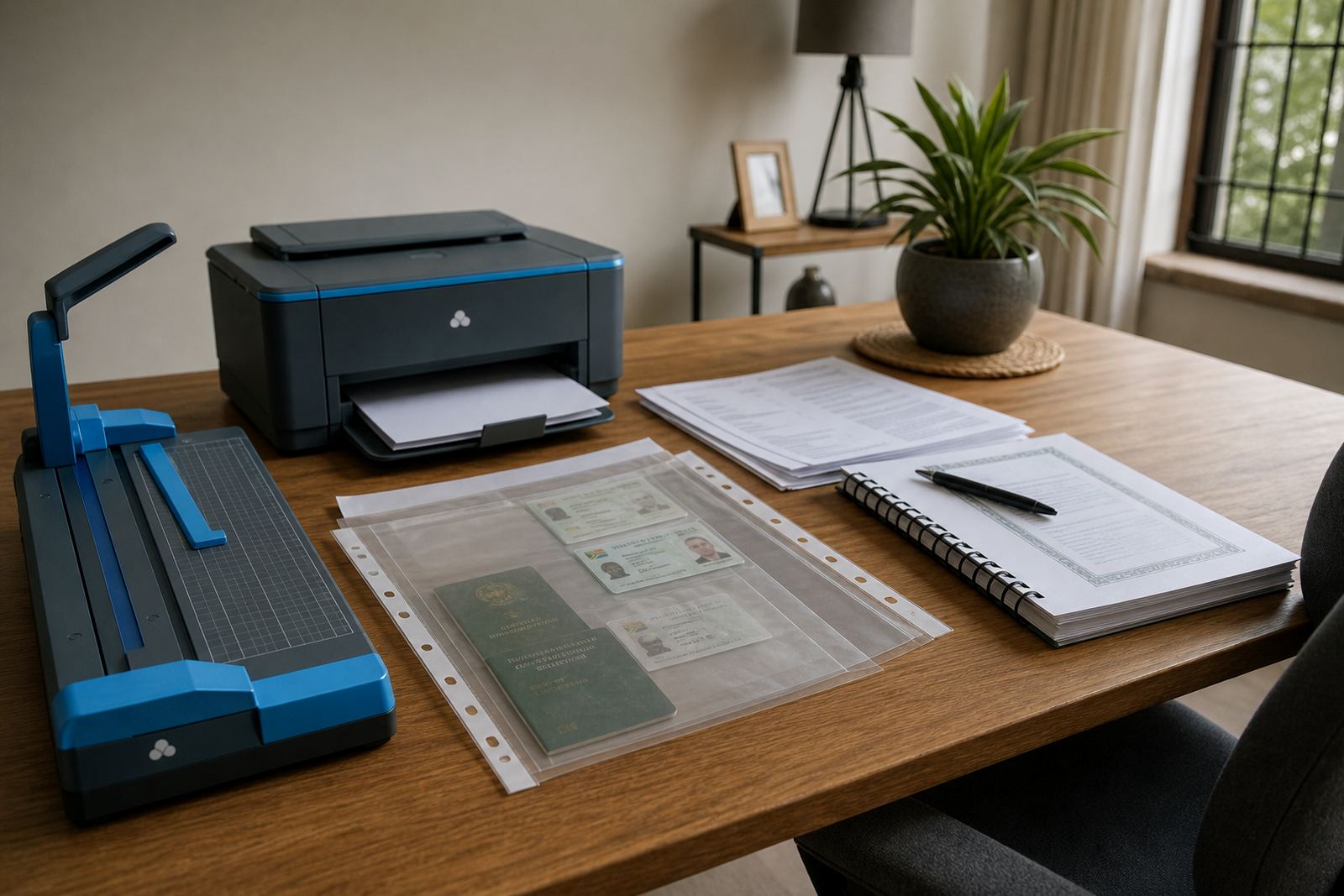
- Full names as they appear on the report
- South African ID number or matching identifier
- Recent address history if the report shows mixed records
- Any enquiry lines that look unfamiliar or out of place
- Any debt review status or court order reference shown on file
Credit reports can change, and enquiry sections may update as new applications or checks are recorded. For that reason, it is useful to confirm the latest version of the report before drawing conclusions. If a consumer is unsure whether an enquiry is routine, linked to an old account or connected to debt review, the safest next step is to confirm it with the relevant studio, provider, registered debt counsellor or the National Credit Regulator.
Key facts
| Service area | Rosebank, Johannesburg with guidance for South Africa |
|---|---|
| Coverage | Credit enquiries, score reading and report interpretation |
| Formats | Online guidance and report review support |
| Typical report items | Enquiry dates, provider names, credit account history, score movement |
| Compliance note | General education only, not legal or financial advice |
| Relevant topics | National Credit Act, debt review, budgeting, consumer rights |