Start with the papers that matter most
Before you look at a credit report, gather the records that usually tell the clearest story about your money. A small file or folder can hold your ID copy, proof of residence, recent payslips or income proof, bank statements, account statements, and any letters linked to debt review or repayment arrangements.
Keep the latest versions together and separate older papers that no longer help with a current check. That way you are not digging through random envelopes when you need to compare balances or dates.
- ID copy and proof of address
- Bank statements for the last few months
- Salary slips or other income proof
- Statements from credit agreements
- Any court papers or debt review documents
Use each document to match the credit report
A credit report is a record from a credit studio that can show accounts, payment history, enquiries and status updates from lenders. It helps to line each document up against the report one item at a time. If a store account appears open but your statement shows it was settled, that needs a closer look.
The National Credit Act gives South African consumers certain rights around fair treatment and credit information. It also sits at the centre of debt review, which is a formal process for people who may be over-indebted. If anything on the report seems unclear, confirm the position with a registered debt counsellor or the National Credit Regulator.
- Check account names against your statements
- Compare opening and closing dates
- Look at payment status and arrears figures
- Note any enquiry you do not recognise
Create one clean debt review file
If debt review is part of your situation, keep every related paper in one labelled section. That can include the application form, assessment notes, payment plan details, court order papers, and later the clearance certificate if the process has reached that stage. A clean file helps you avoid missed pages when someone asks for supporting documents.
It also makes budgeting easier because you can see the agreed payment structure in one place. You do not need to keep guessing which instalment belongs where or which account still needs attention.
- Use a folder divider for each account
- Keep dates visible on the front page
- Store copies of messages and letters together
- Mark paid, disputed, and pending items clearly
A Rosebank example that feels familiar
A client in Rosebank may work in the city, shop in Sandton, and still have an old account opened years earlier in another province. When that person pulls a report, the paperwork can look scattered across clothing stores, a furniture account, a cellphone contract, and one small personal loan. Without order, it is difficult to see what is current and what has already been settled.
Once the papers are sorted, the picture changes. The person can see which accounts need a dispute, which ones are part of debt review, and which balances should be tracked inside a monthly budget. That is usually much calmer than trying to make sense of everything at once.
- Put older accounts behind the active ones
- Separate closed accounts from open ones
- Keep proof of settlement with the last statement
- File travel or move-related address changes together
Budget records that support steady payments
Budgeting does not need a complicated system. A page with income at the top and fixed expenses below can already show whether there is enough room for repayments, transport, groceries and school costs. For many South African households, that simple view is easier to maintain than a thick spreadsheet that no one wants to update.
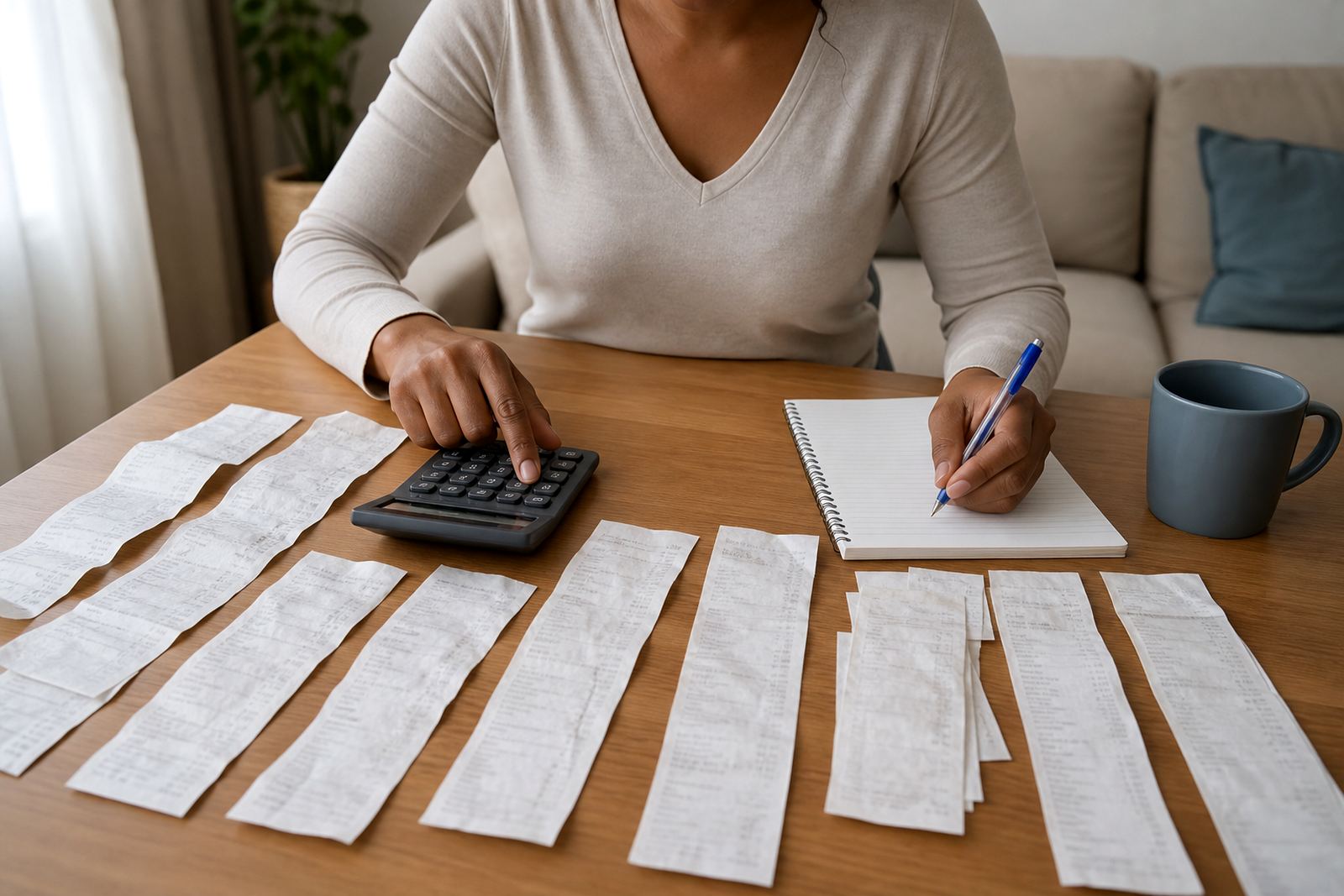
Keep receipts and bank debits in order so you can check where money actually went. That is useful when payment dates shift around month-end or when extra costs appear after taxi fare increases, school demands, or higher grocery prices. A few neat records can stop a small gap from turning into a missed instalment.
- List income and every fixed debit
- Keep proof of rent, school fees and transport
- Mark irregular costs such as repairs or medical visits
- Review the month’s totals before making changes
Keep your file usable, not just full
A good file is not the one with the most papers. It is the one you can use quickly when a report needs checking or a form asks for detail. Remove duplicates, fold only what must be folded, and keep fresh documents on top so the latest information is easy to find.
In humid coastal places like Durban or Gqeberha, keep papers dry and off the floor. In busy Johannesburg offices or a flat in Pretoria, a simple lever-arch file or plastic sleeve often works better than loose pages stuffed into drawers. Order saves time when the next check or review comes up and the paper trail is already in place.
- Keep one master file and one backup copy
- Use clear labels for each section
- Store documents away from damp and dust
- Replace faded prints before they become hard to read