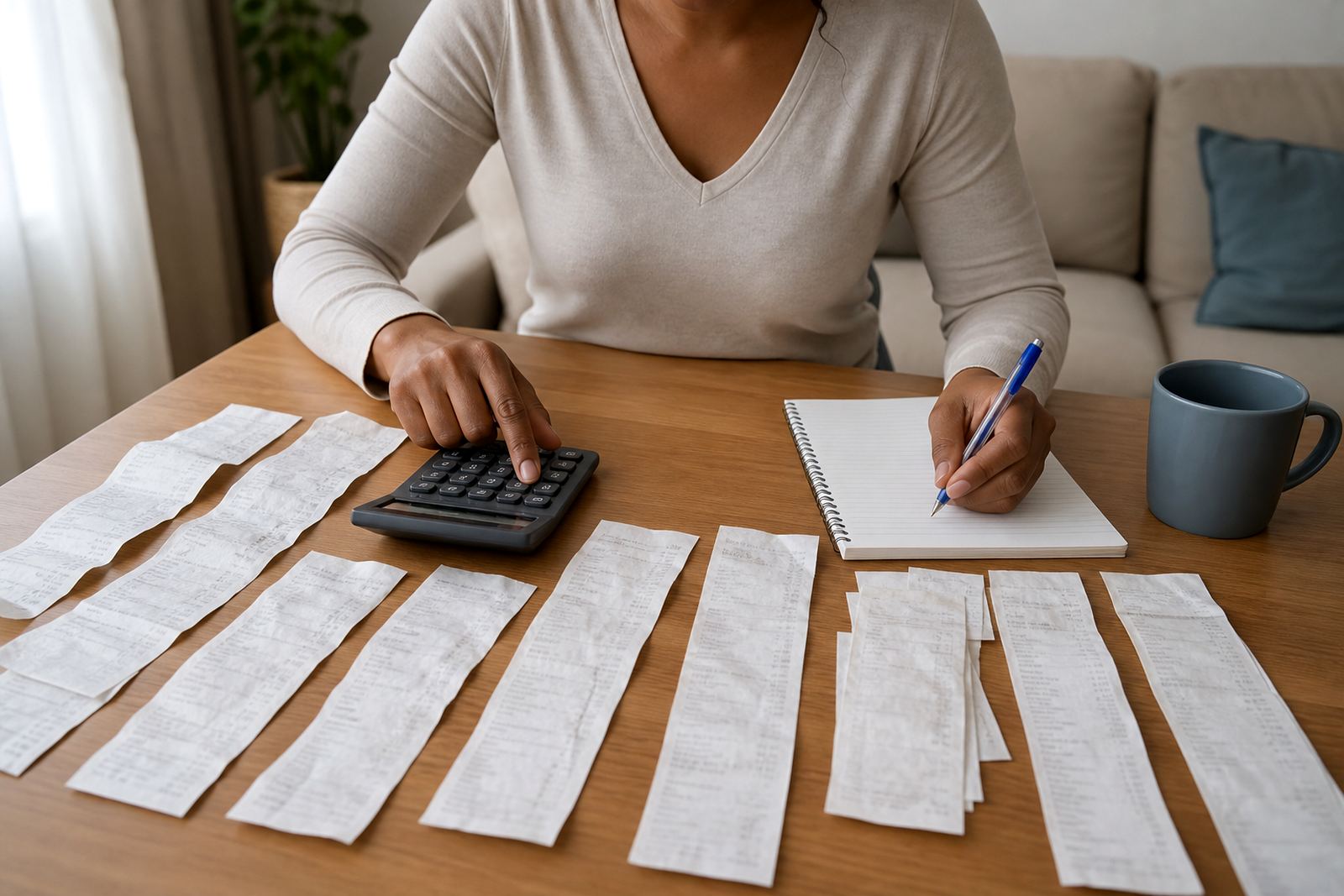
What payment history usually shows on a credit record
Payment history is the record of how an account was handled month by month. It can show on time payments, late payments, missed instalments, arrears, defaults and accounts that were handed over for collection. On a credit report, this information may appear next to a home loan, vehicle finance, credit card, retail account or personal loan.
The record does not only reflect whether an account is open or closed. It often shows patterns. A person who paid on time for years and then missed two payments after a change in income will have a different picture from someone with repeated missed instalments across several accounts. Lenders and debt counsellors usually read the pattern, not only the final balance.
- On time payments usually support a steadier record.
- Late payments may be marked after the due date passes.
- Missed payments can remain visible even if the account is later settled.
- Defaults and collections can carry more weight than a single late instalment.
Why payment history matters when credit is checked
Payment history is often used as one sign of repayment behaviour. A credit provider wants to know whether an applicant has managed credit before and whether instalments were paid as agreed. In practice, this helps the provider assess the chance of future arrears, but it is only one part of the decision. Income, expenses, total debt and the type of credit all matter too.
For consumers, the point is simpler. The record can help show whether debt is still manageable or whether payments are starting to fall behind. A month or two of missed payments may look small at first, but it can affect access to new credit and can also point to budget pressure.
Payment history also matters during debt review discussions. If there are already missed instalments, a registered debt counsellor may look at the full monthly budget before suggesting the next step. The National Credit Act sets rules around responsible lending and consumer rights, so the account history must be read with care, not guessed at from one figure alone.
How South African lenders usually interpret late payments
In South Africa, payment history can be read in different ways depending on the lender and the type of credit. A store account, a revolving credit facility and a secured loan may not be weighed in exactly the same way. A brief delay on one account may not carry the same impact as repeated arrears across several accounts.
What usually matters is consistency. Regular late payments can suggest that the current repayment amount is not matching the household budget. If the payment date is shifted every month or the account moves in and out of arrears, that pattern may be noticed on the report.
- A single late payment may stay on record for a period of time.
- Repeated arrears can raise concern about affordability.
- Settling an overdue account does not erase the past pattern.
- Longer standing defaults may affect future credit checks more strongly.
In Johannesburg, a family might keep up with school fees and transport but fall behind on a revolving account after a medical expense or rent increase. That kind of pressure is common in Rosebank, Sandton and Midrand, and it is often reflected in payment history before anything else changes.
Reading the record without overreacting to one month
A credit report should be read with context. One missed payment does not always mean that the account is unmanageable, and one settled account does not mean every issue is resolved. The record should be checked for dates, balances, arrears notes and whether the account has since returned to good standing.
It helps to separate short term strain from a long pattern. A consumer may miss a payment because of a once-off emergency, then resume regular instalments. Another person may keep paying only part of the amount owed each month, which can create a longer arrears trail. Those are not the same thing.
When a report is unclear, it is sensible to ask a registered debt counsellor or the National Credit Regulator how a listed item should be understood. Payment history can affect credit access, but the legal and practical meaning of each entry depends on the account type and the status of the debt.
Practical ways to keep payment history steadier
Good payment history usually comes from routine more than luck. A clear budget, due date reminders and realistic instalment amounts help more than trying to fix everything at once. If the due date falls just after payday, the account may be easier to manage. If the instalment is too high, the budget may need a closer look.
Budgeting is not only about cutting spending. It is also about seeing the full picture of monthly commitments. Water, electricity, transport, school needs and rent all compete with debt repayments. In coastal areas like Durban and Gqeberha, monthly costs can also shift with transport and household repair needs, which makes planning even more important.
- List every debt account and note the payment date.
- Check whether debit orders and manual payments line up.
- Keep a small cushion for months with higher household costs.
- Look for accounts that are already slipping before they fall further behind.
If the numbers do not fit, a registered debt counsellor can explain whether debt review may be suitable under the National Credit Act. That step should be confirmed with the correct professional guidance, not assumed from a report alone.
Payment history during debt review and budgeting
Payment history often becomes more visible once debt review is being discussed because the question changes from simple borrowing to repayment structure. The existing record can help show which accounts are up to date, which are in arrears and where the pressure points are. That information is useful when a budget is being reviewed by a counsellor.
During debt review, the focus is usually on a revised monthly payment plan and on keeping essential living costs in view. A cleaner payment pattern over time can support the process, but the original credit record still matters. It does not vanish because a consumer starts budgeting more tightly.
OpenCredit helps South Africans understand these moving parts in plain language, whether they are checking a score, reading a report or trying to understand debt review basics. For formal debt review guidance, the safest route is to confirm details with a registered debt counsellor or the National Credit Regulator.
A simple example from Johannesburg
Consider a person in Rosebank who has a store account, a personal loan and a vehicle instalment. For several months the payments were fine, then overtime dropped and one account started running late. The report may first show a late marker, then arrears, and later perhaps a default if the account stayed behind for too long. None of that tells the full story on its own, but it does show how quickly payment history can change when the budget is stretched.
If that person later adjusts spending, brings the accounts current and keeps every instalment steady, the record can start showing a more disciplined pattern again. The earlier markers may still be there, yet the newer months tell a different story. That is why payment history is worth understanding early instead of waiting until an application is declined or the arrears have grown.
For consumers in Pretoria, Durban, Cape Town and Gqeberha, the same principle applies. Payment history is not just a score detail, it is a record of how a household handled its credit commitments over time.