What account settlement means on paper
When people talk about settling an account they usually mean paying off what is owed, either in full or through an agreed process. In South Africa that outcome should be visible in the account record, on a credit report where relevant, and in any settlement letter or payment plan that was issued. If the paperwork is thin, confusion can follow later when a collector, lender, or debt counsellor checks the file.
A settled account should match the agreement that was reached. If the amount paid was negotiated down, that needs to be recorded. If the account formed part of debt review, the record should reflect that the process was handled under the correct legal route. A clean paper trail matters because credit information is often used long after the last payment has gone through.
The documents that carry the most weight
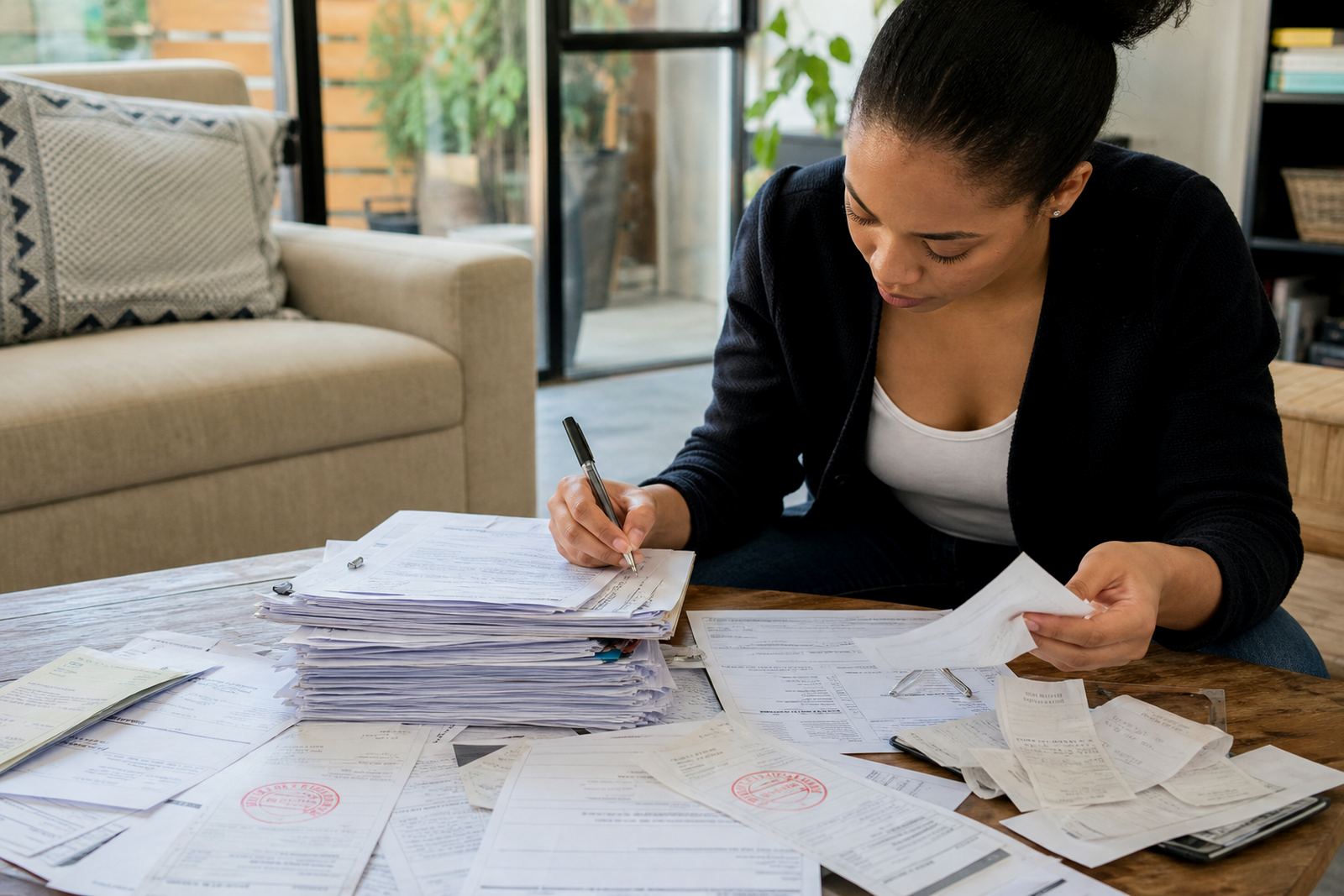
People often keep the payment slip and forget the rest. That is not enough if a dispute comes up. A full record makes it easier to show what was agreed, what was paid, and when the balance should have changed. In Johannesburg or Durban, where many accounts move between service providers and collection counters, that paper trail can save hours of back-and-forth.
- Settlement letter or written agreement showing the amount, account number and conditions
- EFT confirmations, bank statements or cash deposit slips
- Message or SMS messages confirming receipt of payment or acceptance of terms
- Final account statement showing the balance after payment
- Any debt review documents, court order references or clearance papers where applicable
Keep copies in more than one place. A printed file is useful, but a digital copy helps when a phone is replaced or a wallet goes missing.
How credit reports read after settlement
A credit report is a record of how credit has been used and managed. It may show open accounts, arrears, defaults, judgments, or notes linked to debt review. After an account is settled, the report should reflect the update correctly, but timing can vary depending on when the lender or credit studio receives the new information.
If a report still shows an old balance after payment, the first step is to compare it with your proof of settlement. Then check whether the account number, date, and settlement figure match. Small errors happen, especially when older accounts were sold or handled by more than one office, and that is where proof becomes useful.
OpenCredit helps South Africans understand what the report is showing, but any correction request should be handled with the party that supplied the information, and where needed with the relevant studio or regulator.
Debt review and settled balances
Debt review is a formal process under the National Credit Act for consumers who are over indebted. It is not the same thing as simply paying off an account, and it should be treated with care. During debt review a registered debt counsellor assesses affordability and may arrange a repayment structure that fits the consumer’s budget. The exact legal effect depends on the case, so the documents must be kept in order.
Where debt review is involved, a settlement letter alone may not close the file in the way a consumer expects. The account may still need a clearance certificate, updated studio information, or confirmation that all obligations under the process have been met. For that reason, anyone unsure about the status of a settled account should confirm the position with a registered debt counsellor or the National Credit Regulator.
- Ask whether the account was settled in full or under an agreed discount
- Check whether the debt review matter still has active legal steps
- Keep every court or counselling reference tied to the account
- Do not rely only on a verbal promise from a collector
Budgeting after the balance reaches zero
Settling an account can free up cash, but the budget still needs structure. If the old instalment simply disappears into everyday spending, the same pressure can return on another card or loan. A better approach is to redirect that amount into essentials, arrears, or an emergency reserve, even if the first step is a small one.
In Rosebank or Sandton, many households juggle school fees, transport, groceries, medical costs and rent within the same month. A budget should show the actual dates when money leaves the account, not just the total for the month. That view makes it easier to see whether a settlement payment has created breathing room or whether another item needs to be adjusted.
Try a plain record with three lines for each account: amount due, amount paid, and proof kept. That keeps the picture clear and stops old balances from being mistaken for live debt.
A local example from Rosebank
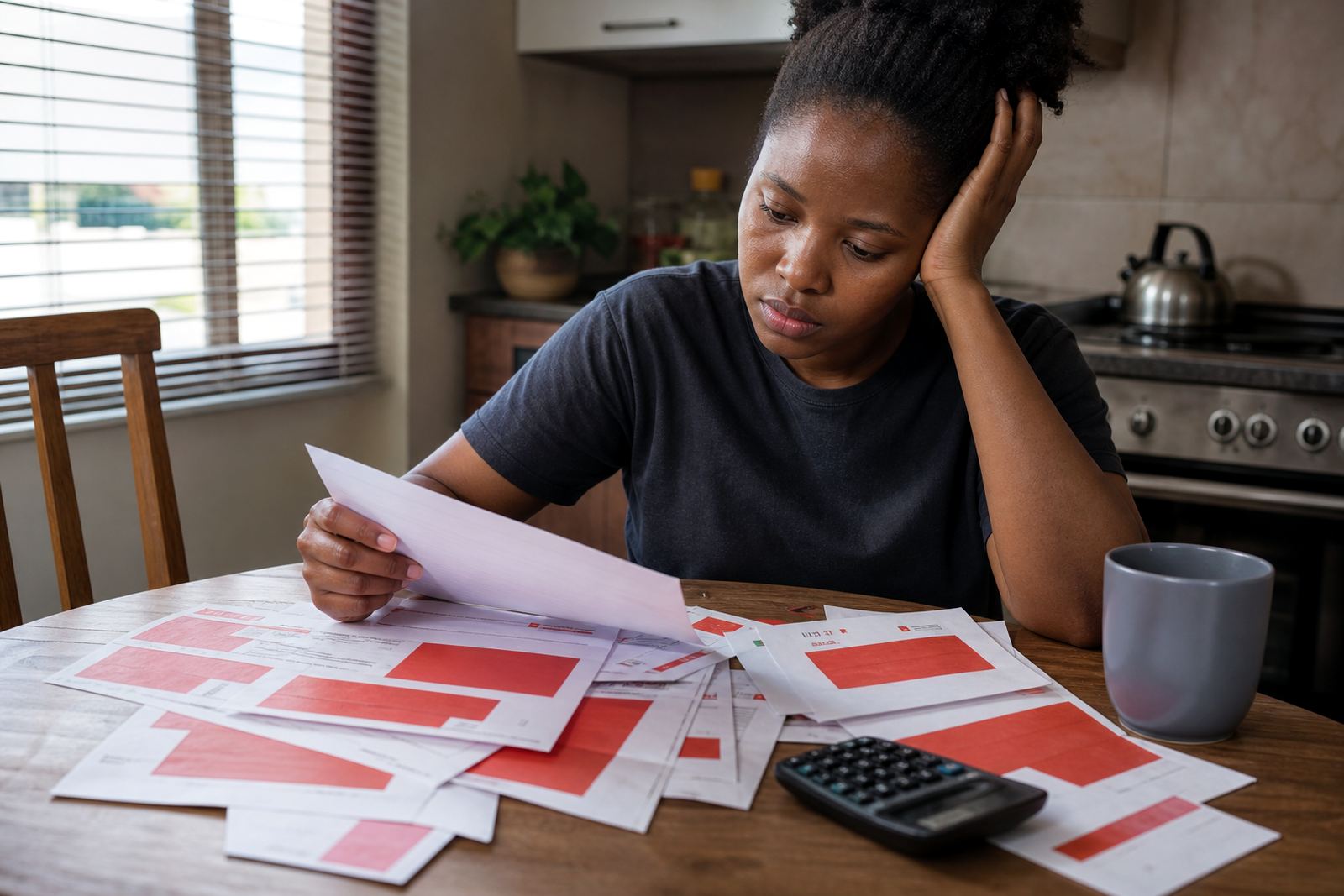
Picture a consumer in Rosebank who settles an old store account after months of follow-up messages. The payment goes through, but the next credit report still shows a balance because the update has not yet been matched to the account file. Without the settlement letter and bank proof, the consumer would have little to point to. With both documents in hand, it becomes much easier to show what was paid and ask for the record to be checked.
That same consumer may also have a separate account under debt review. In that situation, one settled balance does not automatically close the larger matter. The safer course is to keep the settlement proof, review the debt review documents, and confirm the next step with a registered debt counsellor or the National Credit Regulator.
OpenCredit works with people in Johannesburg, Pretoria, Durban, Cape Town and Gqeberha who want a clearer picture of what their credit report is showing and how debt review fits into that picture. The main habit is plain enough: keep the paper, keep the dates, and keep the story of the account together.