When credit stops being suitable lending
Reckless credit is not about a person making one bad purchase. It refers to a credit agreement that may have been granted without proper affordability checks, or where the lender did not take enough care to see whether the consumer could reasonably manage the repayments. The National Credit Act sets the framework here, and it is the law that guides how credit should be granted in South Africa.
The detail matters. A credit provider must look at income, regular expenses, existing debt and the consumer’s stated financial position. If those checks are weak or incomplete, the agreement can raise questions under the Act. That does not mean every unaffordable account is reckless credit, so the facts of each case count.
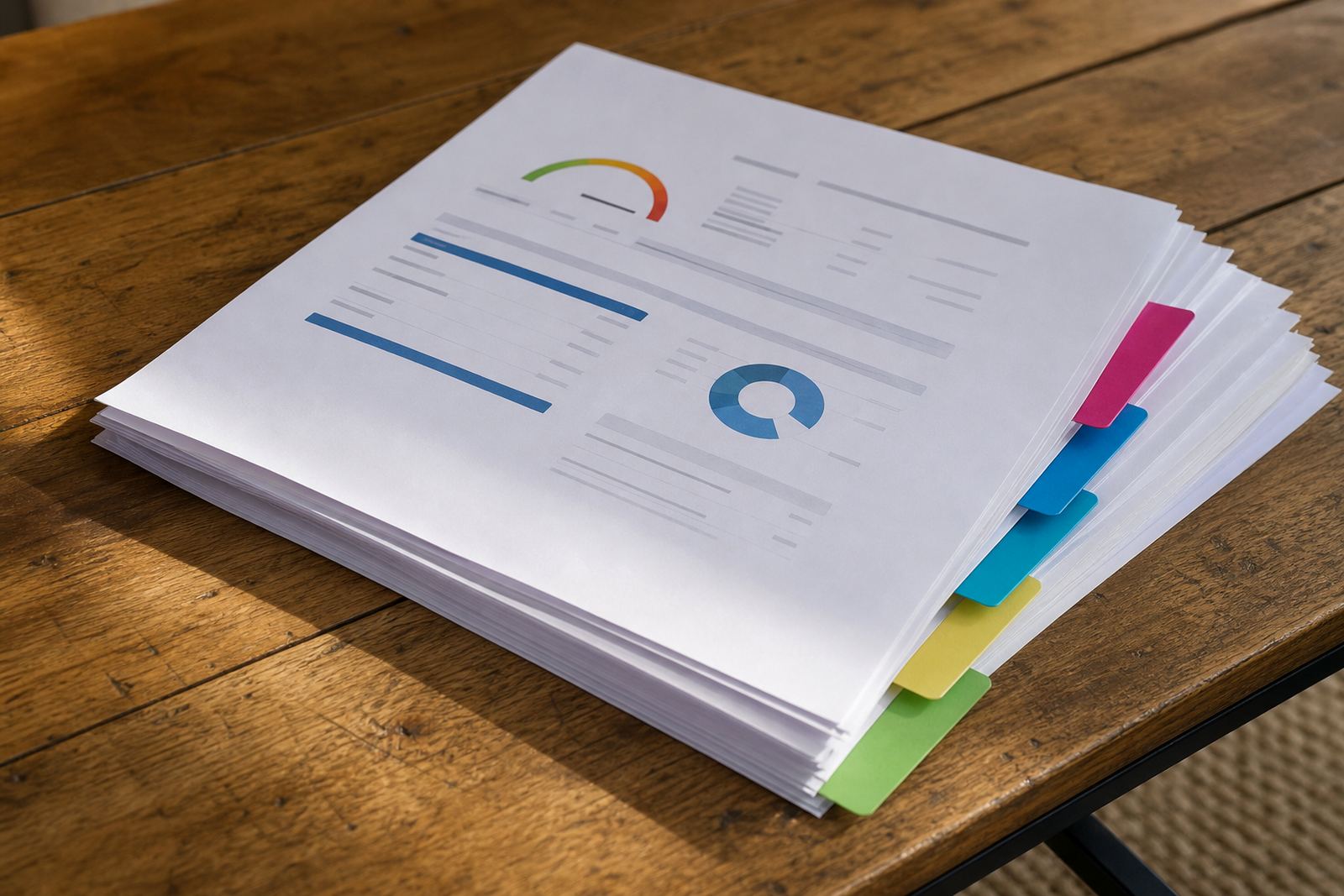
What a credit report can reveal on paper
A credit report is a record pulled from a credit studio and it can show active accounts, payment patterns, judgements, defaults and other signals linked to borrowing behaviour. It does not tell the full story of a household, but it can point to pressure that is building month by month.
People often first see trouble in the report before they understand it in daily life. A few missed instalments, a growing use of short term credit or several store accounts opened close together can all make the picture harder to read. In Rosebank or Pretoria, that may look like a salary that no longer stretches to month end after transport, rent and school costs are paid.
- Check whether repayments are listed correctly.
- Look for accounts you no longer recognise.
- Compare the balances with your own records.
- Watch for defaults that still need attention.
Signs that a lending decision may deserve closer review
Some warning signs point to a credit agreement that may deserve a closer look under the National Credit Act. The concern is not just whether the account exists, but whether the consumer was realistically able to handle it at the time the agreement was made.
- Expenses were understated during the application.
- The instalment was high compared with take home pay.
- Several accounts were granted in a short period.
- Debt payments already took a large share of income.
- The consumer was not taken through a proper affordability check.
A person in Durban, for example, might have variable overtime one month and much less the next. If a lender treated the higher month as the norm, the agreement may have looked affordable on paper but not in practice. That is where record keeping becomes important, including payslips, bank statements and any agreement documents.
How debt review fits into the conversation
Debt review is a formal process for consumers who are over indebted and need help restructuring repayments. It is not the same thing as reckless credit, although the two topics can overlap in real life. A person may enter debt review because the total monthly burden has become too heavy, even if every account was not reckless in the legal sense.
Under debt review, a registered debt counsellor assesses the household budget, contacts credit providers and may propose a revised payment plan through the proper process. In some cases the matter can move toward a court order and, later, a clearance certificate once the obligations are settled. Anyone considering this route should confirm the details with a registered debt counsellor or the National Credit Regulator.
- Budgeting starts with the essentials first.
- Credit accounts are grouped into one workable plan.
- Protection from further credit may apply during review.
- The process follows legal steps, not informal promises.
Budget pressure is often where the problem shows itself
Reckless credit discussions often start with a budget that no longer balances. That can happen when transport costs rise, food prices climb, or the household starts using credit to cover ordinary living costs. In Johannesburg and Cape Town, many households feel the strain when rent, school fees and commuting costs move at the same time.
A budget that once worked can slip quietly. The issue is not always a single large loan. Sometimes it is the stacking of small accounts, a furniture contract here and a store card there, until the total repayment load becomes hard to carry. Keeping a month by month record helps show whether the difficulty was already present when new credit was granted.
Records that help sort fact from assumption
Anyone looking at reckless credit should keep clear paperwork close at hand. A good record set does not decide the matter on its own, but it gives shape to what happened and when it happened. It can also make it easier to speak to a registered debt counsellor, or to raise a concern with the National Credit Regulator if that is appropriate.
- Recent payslips and bank statements.
- Credit agreements and account schedules.
- Statements showing instalments and arrears.
- Any affordability documents shared at application stage.
- Budget notes that show regular living costs.
In Sandton or Midrand, a person may have more than one income source or variable commission. Those details matter because a neat salary slip does not always show the full picture of how money moves through the month.
If a consumer thinks a credit decision was made without proper care, the National Credit Act gives a legal framework for considering the issue. The safest next step is to confirm the route with a registered debt counsellor or the National Credit Regulator, rather than relying on guesswork.